

If you’ve ever walked into a casino and been greeted by a pleasant aroma, well, you’re not the only one. Plenty of people have noticed a distinct smell wafting through casino floors. But is it just a coincidence, or is it part of a carefully designed strategy to keep you gambling longer? The idea that casinos might use scents to influence customer behavior is intriguing, and it’s a subject that has gotten considerable attention in recent years. So, is it really fact or fiction?
The Science Behind Scent Marketing
The practice of using scents to influence consumer behavior, known as scent marketing, is not exclusive to casinos. Stores, hotels, and even car dealerships have long used pleasant aromas to create a specific atmosphere or enhance the customer experience. The science behind scent marketing is based on the idea that certain smells can trigger emotions and memories, potentially influencing our decisions. After all, a scent that invokes positive emotions could just make you feel more positive about that purchase you’re thinking of making!
According to a study published in Psychology & Marketing, ambient scents can have an impact on consumer perceptions and behavior. The study found that pleasant scents can lead to an increase in the time spent in a store, as well as the likelihood of making a purchase . This principle has been applied to some casinos, where the goal is to create an environment that encourages patrons to stay longer and gamble more.
The Role of Scent in Casinos
Casinos are highly controlled environments designed to maximize profits. Everything from the layout of the gaming floor to the lighting and music is carefully planned to keep players engaged. Scents are just another tool in the casino’s arsenal. In fact, there is evidence that some casinos deliberately pump specific scents into the air to create a more inviting and relaxing atmosphere.
A well-known experiment conducted by Dr. Alan Hirsch of the Smell & Taste Treatment and Research Foundation in Chicago demonstrated the potential impact of scents on casino behavior. Hirsch tested the effects of scent on gamblers in Las Vegas by introducing a pleasant smell into certain areas of a casino and leaving other areas unscented. The results were pretty incredible: the areas with the pleasant aroma saw a significant increase in slot machine revenue — an increase of around 45% compared to the unscented areas .
This study suggests that scents can indeed influence gambling behavior by creating a more comfortable and enjoyable environment, making players more likely to stay and keep playing.
Why Scents Work
Scents have a direct connection to the brain’s limbic system, which is responsible for emotions and memory. This means that a specific smell can trigger emotional responses that may influence behavior. For example, a relaxing lavender scent might help reduce anxiety, making players feel more comfortable and at ease. Alternatively, a fresh citrus smell might energize players, keeping them alert and engaged.
Casinos understand this connection and use scents to create an atmosphere that is both inviting and stimulating. By carefully selecting the right aroma, casinos can subtly enhance the gambling experience, encouraging patrons to linger longer and spend more money.
Real-World Examples of Casinos Using Scents
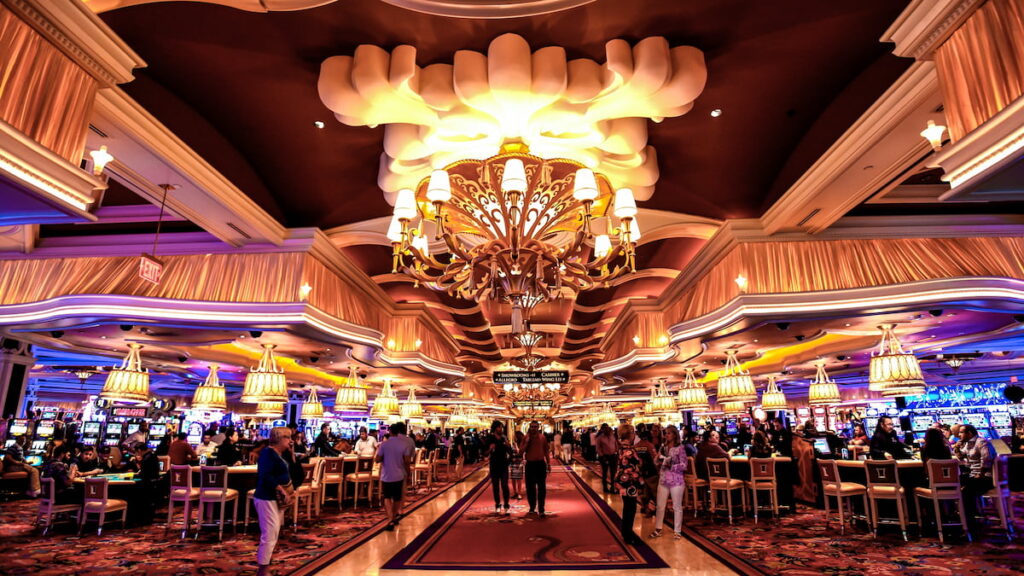
Several major casinos and resorts have embraced scent marketing as part of their overall strategy. The Wynn Las Vegas is known for its signature scent, a blend of Asian lily and white tea, which permeates its gaming floors and public spaces. Similarly, the Bellagio has its own unique fragrance, a mix of florals and citrus, designed to create an upscale, luxurious atmosphere.
These scents are not just for show; they are carefully crafted and scientifically chosen to elicit specific emotional responses from guests. The goal is to create an environment that feels both welcoming and energizing, encouraging players to stay longer and gamble more. Taking the examples of those casinos’ scents, citrus smells are supposed to generate a vibrant and energetic atmosphere, while the scent of white tea is relaxing and is used in aromatherapy to reduce anxiety.
Is Using Scents in the Casino Ethical?
The idea of using scents to influence behavior raises certain ethical questions. Some critics argue that scent marketing is a form of manipulation, subtly influencing customers without their being aware of what’s happening. However, you could equally argue that it is no different from other marketing tactics, like playing upbeat music or designing visually appealing spaces. At the end of the day it’s up to individual consumers to decide how much these subtle influences affect their behavior.
Conclusion: Fact or Fiction?
So, do casinos use scents to keep you gambling longer? Based on the available evidence, it appears to be more fact than fiction. Scent marketing is a powerful tool that casinos use to enhance the gaming experience and potentially increase revenue – or at least improve the mood of their patrons. While it may not be something that every player is consciously aware of, the impact of scent on emotions and behavior is well-documented. Next time you walk into a casino and notice that pleasant aroma, you can be pretty sure that it’s not just a happy accident—it’s part of a carefully designed strategy to keep you in the game.
Sources:
- Hirsch, Alan. “The Impact of Scent on Slot Machine Revenue.” Smell & Taste Treatment and Research Foundation, Chicago.
- Psychology & Marketing Journal. “The Influence of Ambient Scent on Consumer Behavior.”
- National Library of Medicine: “Influence of Fragrances on Human Psychophysiological Activity: With Special Reference to Human Electroencephalographic Response” – Kandhasamy Sowndhararajan and Songmun Kim
- Fortune: “Behind the Science of Scent Marketing: How Smell Changes the Way We Experience Everything From Shopping Malls to Hotels” – Anna Ben Yehuda Rahmanan